In an era marked by growing environmental consciousness, volatile energy markets, and an increasing demand for sustainable practices, solar power has emerged as a compelling energy solution for businesses. In Pittsburgh, a city once defined by its industrial legacy and now recognized for its commitment to environmental innovation and economic diversification, the adoption of solar energy is gaining momentum. For commercial enterprises operating in the region, investing in solar power is not merely a symbolic gesture of sustainability—it is a strategic decision that yields long-term economic, operational, and reputational benefits.
One of the most immediate and tangible advantages of solar power for Pittsburgh businesses is the potential for significant cost savings. With energy prices fluctuating due to market instability and rising utility rates, companies often face unpredictable and increasing operational expenses. Solar energy provides a measure of control over these costs. Once a solar photovoltaic (PV) system is installed, it generates electricity at a stable, predictable rate, effectively insulating businesses from future price increases. This stability enables more accurate financial forecasting and budgeting, which is critical for both small enterprises and large commercial operations.
Beyond cost stabilization, solar power can also produce net energy savings over the lifespan of the system. Many businesses generate surplus electricity, which can be fed back into the local grid through net metering programs, resulting in credits or compensation that offset the initial investment. This not only improves return on investment but also makes solar installations more financially viable than traditional energy sources over the long term. Moreover, available federal and state incentives, such as the Investment Tax Credit (ITC), Pennsylvania’s Solar Renewable Energy Credits (SRECs), and accelerated depreciation under the Modified Accelerated Cost Recovery System (MACRS), further reduce the upfront costs and enhance the financial attractiveness of solar energy.
Environmental responsibility is another critical factor influencing business decisions in Pittsburgh. As a city striving to meet its climate action goals and transition toward cleaner energy sources, Pittsburgh provides an encouraging environment for renewable energy initiatives. Companies that adopt solar power contribute directly to emissions reductions by decreasing their dependence on fossil fuels. This not only supports municipal and state environmental targets but also enhances the company’s public image. In an age where consumers and stakeholders increasingly value sustainability, adopting solar power can serve as a strong differentiator in competitive markets, signaling environmental stewardship and forward-thinking leadership.
Technological advancements have also significantly increased the accessibility and effectiveness of commercial solar systems. Modern solar panels are more efficient, durable, and capable of performing well even in regions with less consistent sunlight. Pittsburgh, with its mix of sun and cloud cover, still receives sufficient solar irradiance to make commercial installations highly productive. Innovations in battery storage and energy management systems also allow businesses to store excess power and monitor energy usage in real time, enabling further optimization of energy consumption and cost efficiency.
Additionally, the adoption of solar power contributes to local economic development. As demand for solar installations grows, so does the need for skilled labor, technical expertise, and manufacturing. This stimulates job creation and supports the growth of Pittsburgh’s green economy, aligning business interests with broader economic and environmental goals.
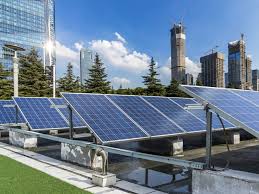
The physical infrastructure of many Pittsburgh commercial properties is well-suited to solar installations. Flat and expansive rooftops, unused land adjacent to facilities, and the structural capacity of industrial buildings create ideal conditions for solar deployment. Local solar providers offer comprehensive services including system design, financing, permitting, and maintenance, making the transition to solar seamless and low-risk for business owners.
In conclusion, choosing solar power for a business in Pittsburgh is a multifaceted decision that delivers economic, environmental, and strategic benefits. As the cost of solar technology declines and public support for renewable energy intensifies, solar power is not merely an alternative—it is rapidly becoming a cornerstone of modern business energy strategy. By adopting solar energy, Pittsburgh businesses position themselves at the intersection of innovation, responsibility, and resilience, contributing to a more sustainable future while enhancing their operational and financial performance.